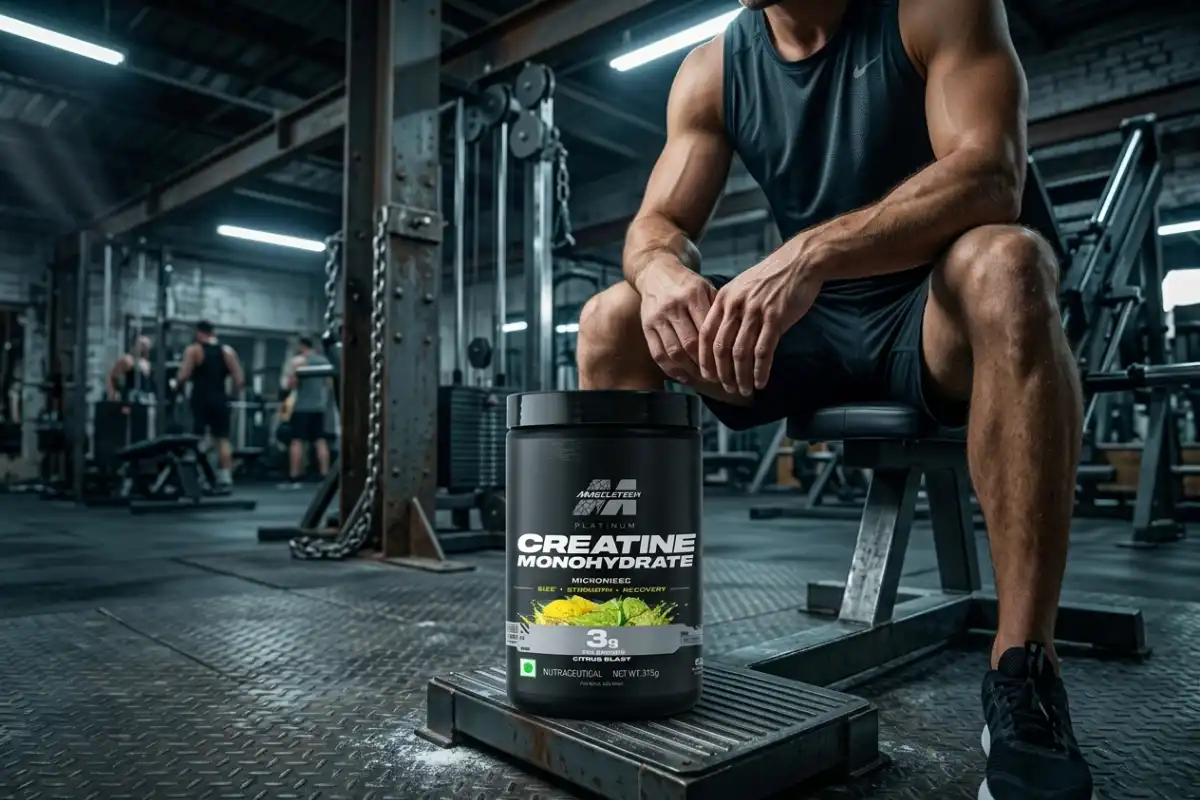
Creatine: The Most Researched & Well-Supported Supplement in Sports Nutrition
In the world of sports nutrition, few supplements have earned the level of scientific attention that creatine has.
For decades, researchers, sports scientists, and performance experts have studied creatine monohydrate for its role in:
- Strength development
- Power output
- High-intensity exercise performance
- Lean muscle support
Because of this extensive body of research, creatine is widely regarded as one of the most researched and well-supported supplements in sports nutrition.
Why Creatine Has Been Studied So Extensively
Creatine’s popularity among athletes led to widespread scientific interest. Researchers wanted to understand:
- How it affects muscle energy systems
- Whether it improves performance
- Its long-term safety profile
- Its effectiveness across different populations
Over time, a large number of peer-reviewed studies have examined creatine’s role in:
- Resistance training
- Sprint performance
- High-intensity interval training
- Muscle strength progression
This level of scientific scrutiny has helped establish creatine monohydrate as a trusted ingredient.
What Research Supports About Creatine
Across decades of study, research consistently supports that creatine monohydrate:
- Increases muscle creatine stores
- Supports ATP regeneration
- Enhances strength output
- Improves high-intensity exercise performance
- Supports lean muscle development when combined with resistance training
Importantly, much of this research focuses specifically on creatine monohydrate, the most widely studied form.
Why Creatine Monohydrate Is the Gold Standard
While various forms of creatine exist, creatine monohydrate remains the benchmark because:
- It has the strongest research backing
- It demonstrates consistent results
- It has a well-documented safety profile
- It is stable and effective
For serious fitness enthusiasts, choosing a research-supported form matters.
The Science Behind Creatine’s Effectiveness
Creatine works by increasing phosphocreatine stores in muscle cells.
This supports:
- Faster ATP regeneration
- Sustained explosive performance
- Greater training volume
- Improved progressive overload capacity
Because strength and muscle development depend heavily on training intensity and volume, creatine’s ability to enhance performance indirectly supports long-term results.
Creatine’s Safety Record in Research
In healthy individuals, creatine monohydrate has been studied extensively for short-term and long-term use.
When consumed within recommended serving sizes:
- It is generally well tolerated
- It supports performance without hormonal alteration
- It is not classified as a steroid or stimulant
This long-standing safety record contributes to its credibility.
Why Muscletech™ Platinum Creatine Aligns with Research
Developed by MuscleTech, Muscletech Platinum Creatine contains:
- Pure creatine monohydrate
- No unnecessary additives
- Micronized formula for easy mixing
- Designed to support strength and performance
By focusing on creatine monohydrate—the most studied form—it aligns with the scientific consensus surrounding performance supplementation.
Indian Fitness Context: Why Research Matters
In India, misinformation around supplements can create hesitation.
Because creatine is:
- Frequently misunderstood
- Sometimes confused with steroids
- Subject to myths on social media
Highlighting its extensive research background helps build informed confidence among Indian fitness users.
For serious athletes and structured gym-goers, choosing a supplement backed by decades of evidence provides reassurance.
Who Benefits Most from a Research-Backed Supplement?
Creatine monohydrate is particularly useful for:
- Strength trainers
- Power-based athletes
- Bodybuilders
- High-intensity training enthusiasts
- Individuals focused on measurable performance progress
Those seeking evidence-based supplementation often prioritise ingredients with strong clinical support.
Frequently Asked Questions (FAQs)
Why is creatine considered the most researched supplement?
Creatine monohydrate has been studied for decades in thousands of participants across strength, power, and performance research settings.
Is creatine monohydrate clinically proven?
Research consistently supports creatine monohydrate’s role in improving strength, power output, and high-intensity performance.
Are newer forms of creatine better?
Creatine monohydrate remains the most studied and well-supported form. Other forms may exist, but monohydrate has the strongest evidence base.
Is research-backed creatine safer?
Extensive research helps establish safe usage guidelines. Healthy individuals following recommended serving sizes can use creatine responsibly.
Does Platinum Creatine use the researched form?
Yes. Muscletech™ Platinum Creatine contains creatine monohydrate, the most researched and widely supported form of creatine.