How Much Protein Do You Need for Muscle Growth?
One of the most common questions among fitness beginners is:
“How much protein do I actually need to build muscle?”
Some people believe more protein automatically means more muscle, while others struggle to consume enough protein throughout the day.
The truth is that muscle growth depends on several factors, including:
- Resistance training
- Total calorie intake
- Recovery and sleep
- Consistent protein intake
Among these, protein remains one of the most important nutritional building blocks for muscle development.
This guide explains:
- How much protein you need for muscle growth
- How protein requirements vary by activity level
- Common protein intake mistakes
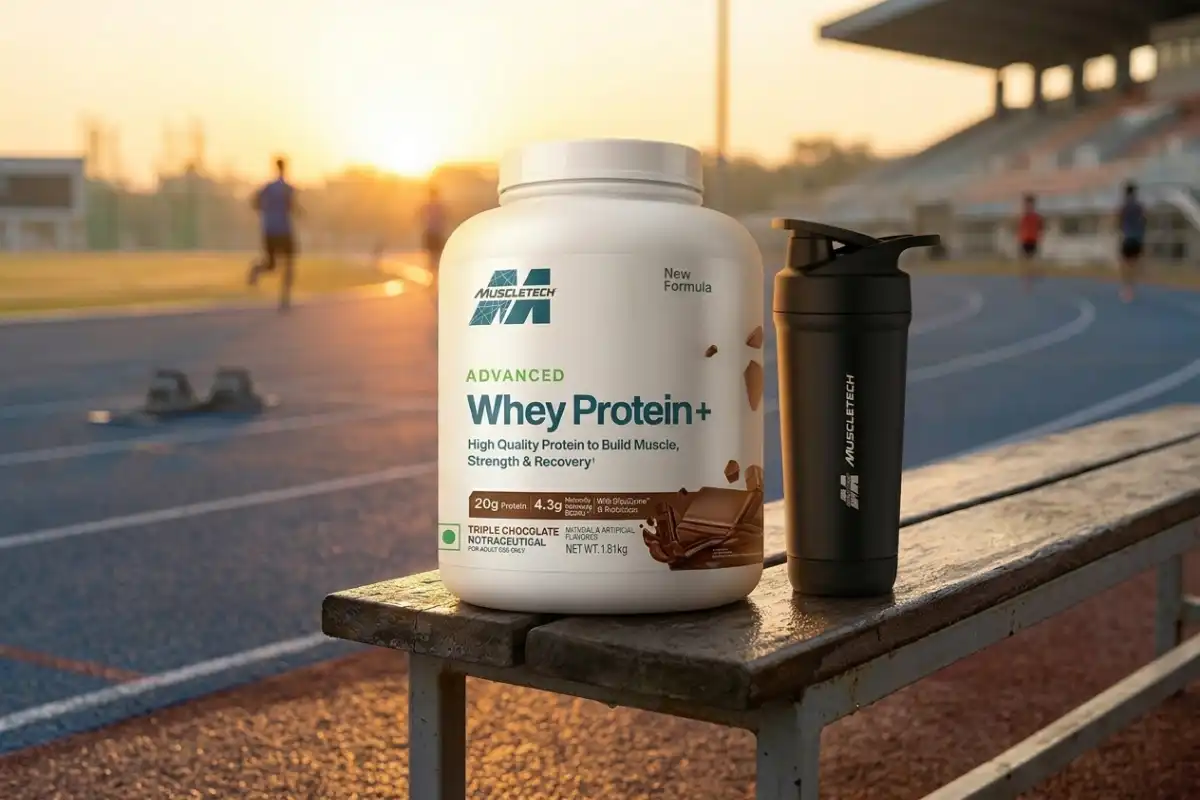
- How Muscletech™ Advanced Whey Protein+ can help support your daily protein goals
Why Protein Is Important for Muscle Growth
Muscles are made up of proteins.
Every workout creates small amounts of stress and micro-damage in muscle tissue. During recovery, the body uses amino acids from protein to repair and rebuild those muscles.
This process is known as muscle protein synthesis.
Without adequate protein intake:
- Recovery may be slower
- Training performance may suffer
- Muscle-building progress may be limited
Simply put, training provides the stimulus, while protein provides the building blocks.
How Much Protein Do You Need Per Day?
Protein needs vary depending on:
- Body weight
- Activity level
- Training intensity
- Fitness goals
For individuals focused on muscle growth, protein requirements are generally higher than those of sedentary individuals.
General Guidelines
| Activity Level | Daily Protein Requirement |
| Sedentary | 0.8 g per kg body weight |
| Active Lifestyle | 1.2–1.6 g per kg body weight |
| Strength Training & Muscle Growth | 1.6–2.2 g per kg body weight |
These are general guidelines and individual needs may vary.
Protein Requirements Based on Body Weight
Let’s look at practical examples.
1. 60 kg Individual
- 1.6–2.2 g/kg
- Approximately 96–132 g protein daily
2. 70 kg Individual
- Approximately 112–154 g protein daily
3. 80 kg Individual
- Approximately 128–176 g protein daily
4. 90 kg Individual
- Approximately 144–198 g protein daily
Many people are surprised by how much protein they actually need when they begin tracking intake.
Why Most People Undereat Protein
A common challenge is assuming that regular meals provide enough protein.A typical day may include:
- Breakfast: Tea and toast
- Lunch: Rice, dal, vegetables
- Evening snack
- Dinner: Roti and curry
While nutritious, these meals often provide less protein than expected.
As a result, many active individuals struggle to consistently reach muscle-building protein targets.
The Indian Diet Challenge
Protein intake remains one of the most overlooked aspects of Indian nutrition.
Common challenges include:
- High carbohydrate intake
- Limited protein at breakfast
- Long gaps between meals
- Busy schedules
Many fitness enthusiasts find it difficult to consume sufficient protein solely through food, especially when trying to balance work, family, and training.
Does More Protein Mean More Muscle?
Not necessarily. There is a limit to how much protein the body can effectively utilize as part of an overall muscle-building program.Muscle growth depends on:
- Muscle growth depends on:
- Adequate protein intake
- Progressive strength training
- Sufficient calories
- Recovery and sleep
Simply consuming excessive protein without training will not automatically result in muscle gain.
How to Spread Protein Throughout the Day
Instead of consuming most protein in one meal, it is often more practical to distribute intake across the day.
Example
1. Breakfast
- Eggs
- Greek yogurt
- Protein shake
2. Lunch
- Chicken, fish, paneer, or dal
- Rice or roti
3. Evening Snack
- Protein-rich snack
- Protein shake
4. Dinner
- Lean protein source
- Vegetables
- Complex carbohydrates
Consistent intake throughout the day helps support recovery and muscle maintenance.
Can Whey Protein Help?
Yes. Whey protein is one of the most convenient ways to increase daily protein intake, especially when:
- Meals are inconsistent
- Protein requirements are higher
- Time is limited
Whey protein supplements should complement a balanced diet—not replace it.
Why Muscletech Advanced Whey Protein+ Is Different
Many protein supplements focus only on protein content.
Muscletech Advanced Whey Protein+ provides a more comprehensive approach by combining:
- Whey protein
- Yeast protein
- DigeZyme digestive enzymes
- Probiotics
This combination supports both protein intake and digestive comfort.
The Role of Yeast Protein
One of the unique features of Advanced Whey Protein+ is the inclusion of yeast protein.
Yeast protein:
- Is a complete protein source
- Contains essential amino acids
- Complements whey protein
- Supports overall protein quality
This creates a broader nutritional profile compared to traditional whey-only formulations.
Why Digestive Support Matters
Many first-time protein users worry about:
- Bloating
- Digestive discomfort
- Feeling heavy after shakes
Advanced Whey Protein+ includes:
DigeZyme
- A digestive enzyme blend that helps support nutrient breakdown and protein digestion.
Probiotics
- Beneficial microorganisms that support digestive health and gut balance.
- Together, they help create a more comfortable daily protein experience.
Who Benefits Most from Higher Protein Intake?
Higher protein intake may benefit:
- Fitness beginners
- Gym-goers
- Strength training enthusiasts
- Sports participants
- Active professionals
- Individuals aiming to maintain lean muscle
How Advanced Whey Protein+ Fits Into Your Daily Routine
1. Morning
A protein-rich breakfast can help start the day with adequate protein intake.
2. Post-Workout
Supports recovery after resistance training or sports activities.
3. Between Meals
A convenient option when daily protein targets are difficult to achieve through food alone.Common Protein Intake Mistakes
- Skipping Breakfast – Many people consume very little protein early in the day.
- Depending Only on Dinner – Trying to consume all daily protein at night is often impractical.
- Ignoring Total Daily Intake – One protein shake alone is usually not enough to meet muscle-building requirements.
- Neglecting Recovery – Protein works best when combined with quality sleep and structured training.
Frequently Asked Questions (FAQs)
How much protein do I need for muscle growth?
Individuals engaged in strength training typically require approximately 1.6–2.2 grams of protein per kilogram of body weight daily, depending on training intensity and goals.
Is one protein shake enough per day?
It depends on your overall diet and protein requirements. A protein shake helps increase intake, but total daily protein consumption remains the most important factor.
Can beginners benefit from higher protein intake?
Yes. Beginners starting resistance training often benefit from ensuring adequate protein intake to support recovery and adaptation.
What makes Muscletech Advanced Whey Protein+ different?
Advanced Whey Protein+ combines whey protein, yeast protein, DigeZyme digestive enzymes, and probiotics, offering both protein support and digestive benefits.
Is yeast protein a complete protein?
Yes. Yeast protein contains all essential amino acids, making it a complete protein source that complements whey protein.
Can I get enough protein from food alone?
It is possible, but many active individuals find it challenging to consistently meet muscle-building protein targets through food alone. Protein supplements can help bridge this gap.